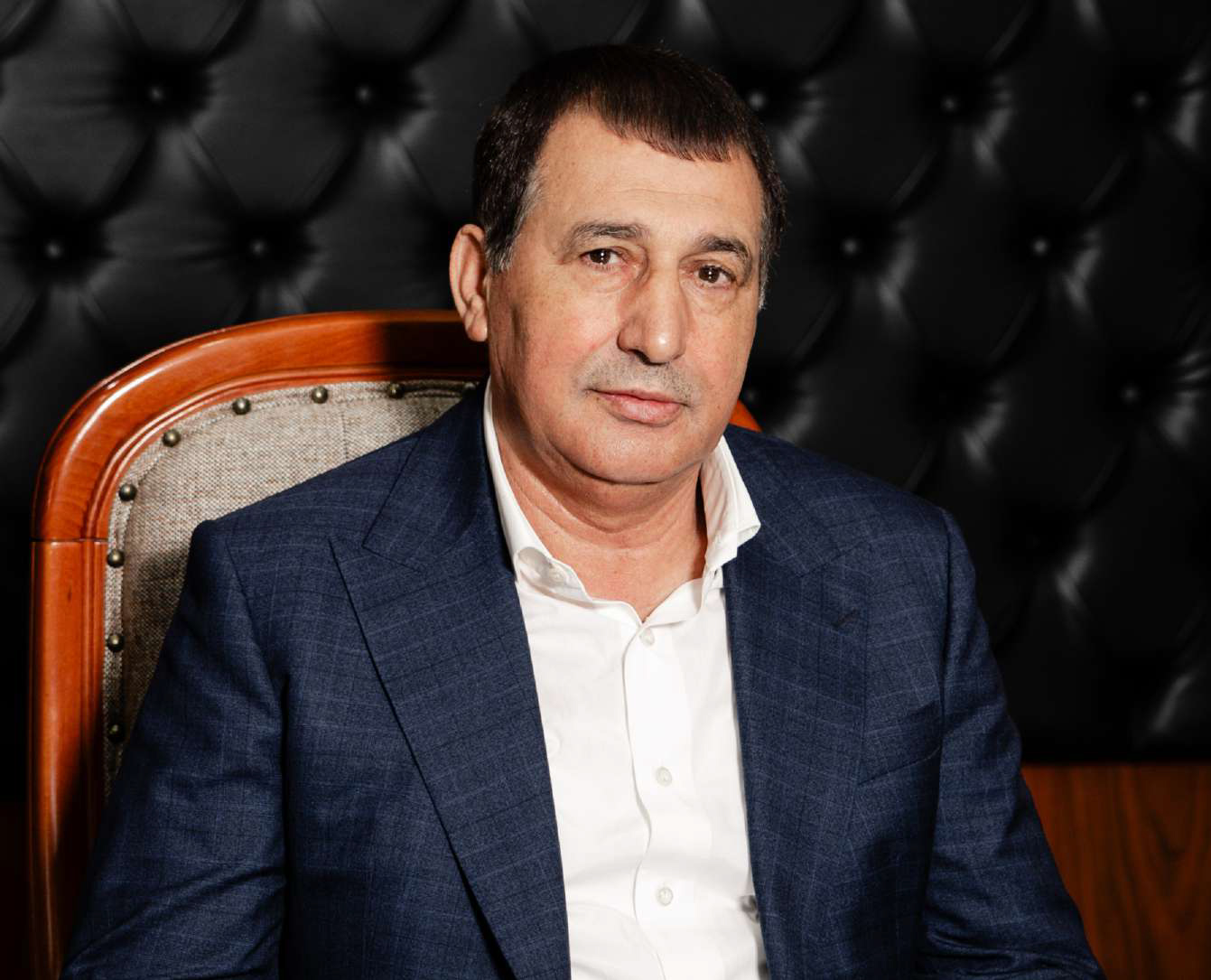
Where does character come from?
Habits formed in childhood, an attitude to work and principles that haven't changed over the years.
Attitude to work, managing time, keeping one's word and behavior in difficult situations.
Attitude to work, managing time, keeping one's word and behavior in difficult situations.
Looking at a person's life path, a question sometimes arises: is it shaped more by will or by character?
- I think willpower can grow stronger over time. Character, however, is a person's foundation. Without inner support, success doesn't last long.
There was a truth I understood at an early age: a person must first of all be reliable to themselves. Someone who doesn't keep their word to themselves can't inspire trust in others.
Your professional path began before entrepreneurship. What did your years as an employee give you?
- Those years taught me the real value of work. Understanding that everything is built through effort makes a person more careful and responsible in their decisions.
This road developed not quickly, but step by step. A simple start, patience and consistent decisions became unchanging principles over time. I have never considered speed the main measure of development. For me, staying on a solid foundation has been more important than growing.
Looking back, what do these 30 years remind you of more – achievements or responsibility?
- Responsibility, most of all. Behind these years, before the projects, there are people: the first craftsmen, the first team, the hard stages we went through together. Over time it becomes clear that value isn't measured by the buildings built. Real value is formed by loyalty to the word you give.
Understanding people's needs and reading life before the market has been the basis of this road. The urge to sell comes quickly. Understanding takes time and attention. I have always chosen the second approach.
Was there a key question you asked yourself from day one?
- Yes. "Will these things keep going on their own without my involvement?" If the answer was no, then the system hadn't been built yet. For me, one of the most important stages of entrepreneurship is learning to create a system that doesn't depend on you.
From Will to Responsibility
What are the two main pillars of successful work?
- Proper planning and efficiency. Planning is an attempt to foresee the future — to measure risks, define the stages and act carefully.
Efficiency is the ability to read a changing reality in time. Efficiency isn't haste. It is the practical expression of preparation. Efficiency without a plan leads to chaos. Planning without efficiency stays in theory.
What does the point Minera has reached today mean to you?
- This isn't just a result. It is the answer that the right questions give over time. For me, Minera is not a business model but the idea of a long road.
“The main art in big business is not making many decisions, but making few mistakes.”
Leadership and the Art of Decision
What is leadership to you?
- Leadership isn't walking ahead of everyone. It's seeing the right direction and taking responsibility for the decision. I don't believe a leader has to know everything. But they must be able to choose the right person, hear their opinion and carry the responsibility for the final decision.
As Peter Drucker said: "Efficiency is doing things right; effectiveness is doing the right things."
What do you rely on in big decisions?
- On numbers, experience and the human factor. Numbers show the situation. Experience helps understand its cause. And the human factor determines the outcome of a decision.
Range of Thought and the Entrepreneur's Capital
As a businessman who travels and reads a lot, how does this affect your management decisions?
- Travel teaches us not to see the world, but to look at our own home with different eyes. When I come back to Baku after seeing the architecture of European cities and the logistics of Asian ports, I realize: we still have a lot of growing to do. Books, meanwhile, widen my range of thought.
Team and Partners – The Strength of a Shared Path
Why do so many professionals stay with you for many years?
- You keep people with trust, not salary. A professional needs not only financial reward, but also for their work to be seen and their opinion to be valued.
I have always seen the team not as a "resource" but as the company itself. If a leader is irreplaceable, they are a bad leader. My goal is for the system to work even when I'm not there.
“At the foundation of this road was brotherhood, in every step trust, and in its direction a shared goal.”
— RAMIN RZAYEV